
This post contains affiliate links. If you buy through them, we may earn a small commission at no extra cost to you. Learn more.
 Reviewed by Kimberly Samantha, Skincare Reviewer
Sponsored: This article was published in partnership with a brand or contributor. Links to partner sites are marked as sponsored. Read our editorial policy.
As the seasons change, it’s normal for your skin to change too, so it pays to adjust your routine before dry, irritated skin sets in. fluctuations in humidity, from heated homes and hot showers to the chilly autumn breeze, can all affect how your skin looks and feels.
Key Takeaways
- Switch to richer creams with ingredients like ceramides, shea butter, or glycerin as the air gets colder and drier.
- Skip alcohol-heavy and harsh cleansers, and go easy on strong exfoliants.
- Wear broad-spectrum SPF 30+ sunscreen every day, even in fall and winter.
- Keep showers warm and short (5 to 10 minutes) and moisturize while your skin is still damp.
- Cold and wind can trigger eczema and rosacea flares; see a board-certified dermatologist if symptoms persist.
Cold, dry air and indoor heating can weaken your skin’s moisture barrier, leaving it dry, tight, and irritated. For people with conditions like atopic eczema or rosacea, cold weather and wind can also trigger flare-ups. So, how can your skin cope? We’ve put together five easy tips to help keep it healthy and comfortable this fall.
A few small changes now can help prevent dryness and irritation later, so your skin is ready for whatever the season brings.
Prepare Your Skin For This Cold Season
Opt for Thicker Moisturizers and Creams

Tweaking your skincare routine to prep your skin for colder seasons isn’t just trendy — it’s essential for people with sensitive skin, as extreme dryness can cause a tingling or burning sensation while transitioning between seasons. Switching to sensitive skincare products, or more hydrating formulas like a thicker moisturizer and body lotion will work wonders for your face and body.
They will compensate for the changes in the air, add more moisture to your skin, and act as a barrier to retain it. You should keep an eye out for products with ceramides, aloe vera, shea, or cocoa butter, as they are extra hydrating and soothing even to sensitive skin.
Avoid Drying Ingredients

Some of these might have worked out fine during the summer months when your skin wasn’t so dry — or maybe when it was a little too oily, at times. But during colder seasons, products that contain alcohol and sulfates, especially cleansers, will strip your skin and leave your face feeling extra tight. Also, go easy on strong exfoliants like high-strength glycolic acid.
Gentle exfoliation can help with dry, flaky skin, but strong physical and chemical exfoliants can irritate it and do more harm than good. Instead, choose gentle, hydrating cleansers or cleansing balms, and avoid over-exfoliating in the colder months.
Don’t Skip the Sunscreen
The misconception that sunscreen isn’t needed when there’s no sun is worth dropping. UV radiation is generally greater during the summer, but that doesn’t mean it just vanishes during fall and winter. Proper sun protection is a year-round necessity, even on cloudy days or when you’re driving, since UVA rays can pass through clouds and windows. Dermatologists recommend a broad-spectrum sunscreen with SPF 30 or higher every day, reapplied every two hours when you’re outdoors.
Regulate Your Hot Showers and Baths

A hot shower after a walk outdoors might be tempting, but long, hot showers strip moisture from your skin. Use warm rather than hot water, keep showers and baths to 5 to 10 minutes, and apply moisturizer while your skin is still damp. If your skin is dry or sensitive, skip heavily scented bath products, including essential oils, which can irritate it.
Otherwise, you can use a BodyRestore eucalyptus shower tablet if you prefer having a shower instead. Your body washes can make a difference too — harsh, highly alkaline soaps can dry you out. Look for moisturizing ingredients like shea or cocoa butter, just as you would in your creams.
Don’t Forget Your Lips and Under-Eye Area
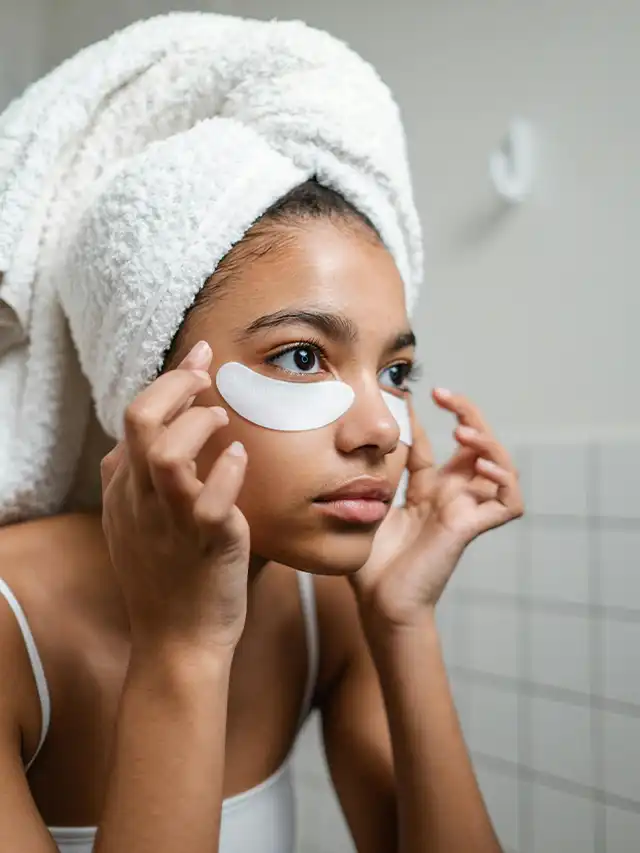
Remember that your lips and the under-eye area should be part of your skincare regimen. The skin around your eyes is thin and sensitive and doesn’t react well to sudden changes, and your lips will most likely take a heavy beating from the harsh winds.
Look for a gentle, fragrance-free eye cream, and prevent chapped lips with a nourishing lip balm or petroleum jelly.
Conclusion
At the end of the day, it’s important to keep the aforementioned tips in mind if you want to get your skin ready for the colder months ahead. If dryness, itching, or redness doesn’t improve, see a board-certified dermatologist for advice on your skin type and the best products for your specific needs.

Best Treatment for Fungal Acne: Causes, Symptoms, and How to Clear It
Sponsored: This article was published in partnership with…

Best Skincare for Sensitive Skin: Gentle Ingredients That Actually Calm Irritation
Sensitive skin can make even a basic routine…

Toxic Self Care Chemicals: What You Should Know
Sponsored: This article was published in partnership with…

Peptides Benefits: Tips for Maximizing Their Potential
Sponsored: This article was published in partnership with…
What does your skin need in the fall?
Make use of a hydrating cleanser
You don’t want to completely remove the natural oils from your skin because the fall months are cooler. They aid in maintaining skin moisture. Your cleanser might be working too well if it leaves your skin feeling tight, dry, and irritating. Choose a cleanser that is soft but moisturizing.
Does skin change in the fall?
Yes. Cooler temperatures, low humidity, and indoor heating can dry out your skin, making it feel rougher and look duller. Gentle exfoliation and a richer moisturizer can help.
Why is my skin so bad in the fall?
Cold, dry air and indoor heating can weaken your skin’s moisture barrier, leading to dryness, flakiness, and irritation, and can trigger flares of conditions like eczema or rosacea. A gentle cleanser, a good moisturizer, and daily sunscreen help; see a board-certified dermatologist if problems persist.
Sources
- American Academy of Dermatology – Dermatologists’ top tips for relieving dry skin
- American Academy of Dermatology – Triggers could be causing your rosacea flare-ups
- American Academy of Dermatology – How to apply sunscreen
- American Academy of Dermatology – Sunscreen FAQs

Kourtney Anderson is a freelance writer for Successible Life and one of its most prolific contributors, covering makeup looks and techniques, skincare routines and ingredients, hair care and beauty shopping guides.