

 Reviewed by Kimberly Samantha, Skincare Reviewer
Sponsored: This article was published in partnership with a brand or contributor. Links to partner sites are marked as sponsored. Read our editorial policy.
Who doesn’t love a good pampering session? Whether it’s a fragrant shampoo, a luxurious face mask, or a soothing lotion, self-care products are a staple in our daily routines.
Key Takeaways
- Most personal care products are safe when used as directed; the FDA says it lacks evidence that parabens or phthalates as used in cosmetics harm health.
- Real, documented risks include formaldehyde released by some hair smoothing products, mercury in illegally sold skin lighteners, and asbestos-contaminated talc.
- Fragrance is a common cause of skin allergies, so fragrance-free products are a good choice for sensitive skin.
- “Natural,” “clean,” and “organic” don’t guarantee safety; reading labels and patch-testing new products help more.
- See a board-certified dermatologist if a product causes a rash or other reaction.
You lather creams onto your face and body, put on makeup, and apply your favorite lipstick to enhance your appearance. But have you ever thought about whether those products are safe to use?
Most products on store shelves are safe to use as directed, but some ingredients have raised health questions, and many of us use several products every day, which adds up to exposure to dozens of ingredients.
Skincare, body care, and cosmetic products all contribute. Below, we look at a few ingredients that often come up, what the evidence says, and practical tips if you want to limit your exposure.
Toxic personal care products
Ingredients that often raise concerns include parabens, phthalates, fragrance, and formaldehyde.
Parabens
- A common preservative; some studies have raised questions about hormone effects, but the FDA says it has no information showing parabens as used in cosmetics affect human health
- Isopropyl and isobutyl parabens (along with three others) have been banned in EU cosmetics since 2014 because industry provided little or no safety data
Phthalates
- A plasticizer that can be found in shampoo and other products
- Some phthalates have shown hormone-disrupting effects in studies, though the FDA says it has no evidence that phthalates as used in cosmetics pose a safety risk
- Their use in cosmetics has dropped considerably; diethyl phthalate (DEP) in fragrance is the one still commonly used
Fragrances
- A common cause of skin allergies and contact dermatitis, and strong scents can bother people with asthma
- Can be found in perfumes, moisturizers, shampoos, cleansers, and conditioners
Formaldehyde
- Classified as a human carcinogen; can be released when some hair smoothing products are heated
- Also known as formalin and methylene glycol
- Formaldehyde-releasing preservatives are used to prevent bacterial growth and can cause allergic reactions in some people
The Hidden Toxic Chemicals in Your Self-Care Products
Other toxic chemicals
- Mercury: Found in some illegally sold skin-lightening and anti-aging creams; can damage the nervous system
- Toluene: A solvent in some nail products whose use is being phased out; the FDA notes reported adverse effects occurred at levels far higher than normal nail polish use
- Diethanolamine: Has caused liver and kidney effects in high-dose animal studies
- 1, 4-Dioxane: A byproduct that can form during the manufacture of some ingredients; considered a potential human carcinogen, though FDA surveys show levels in cosmetics have dropped significantly
- Per- and polyfluoroalkyl substances (PFAS): Linked to several health problems, including some cancers
Here’s a closer look at some of the ingredients you’re most likely to see on labels:
1. Butylated Hydroxyanisole (BHA)
If you look at the list of ingredients for eyeliners, lipsticks, or moisturizers, you may find butylated hydroxyanisole or BHA. This is a synthetic, waxy, solid petrochemical with antioxidant properties that is used in personal care products as a preservative. It basically prevents the oxidation of oils and fats in them.
However, its addition to personal care products is problematic since it’s listed as reasonably anticipated to be a human carcinogen, based on animal studies, by the U.S. Department of Health and Human Services. A feature released by the Association for the Advancement of Restorative Medicine reveals that BHA has been found to cause cancer in some animal studies.
High doses have also caused liver and lung effects in animals, and in skin patch tests it can cause contact dermatitis in some people. Even so, BHA is found in a wide range of products, including sunscreen, deodorant, creams, fragrances, lip products, and hair products.
2. Talc
Talc, a naturally occurring mineral, is found in many personal care products. Whether it’s your favorite setting and perfecting powder from Maybelline or Urban Decay eyeshadow, talc is added to a variety of beauty products.
It smooths and softens them, absorbs moisture, makes makeup opaque, and prevents caking. Talc itself isn’t the main worry; the concern is that talc can be contaminated with asbestos, a known carcinogen when inhaled. The FDA has tested talc cosmetics for asbestos several times.
When inhaled, asbestos-contaminated talc can cause serious health issues, including lung cancer and mesothelioma. An article published in NIH discloses that asbestos exposure causes most mesothelioma. Asbestos is also linked with cancers of the lung, larynx, and ovary.
Some people have sued cosmetics companies, alleging that asbestos-contaminated talc in their makeup caused mesothelioma. Thousands of asbestos lawsuits involving talc products have been filed.
However, exposure to asbestos doesn’t only take place due to makeup products. You can be exposed to it through building materials. This carcinogen was used in many building materials until the 1970s.
When asbestos fibers are inhaled, TorHoerman Law explains, they adhere to the mucus in the throat, bronchi (big breathing tubes in the lungs), or trachea (windpipe). Chrysotile fibers are more easily cleared from the lungs, while thin amphibole fibers tend to stay. Those fibers injure mesothelial cells of the pleura, causing mesothelioma.
3. Formaldehyde
A January 2023 report released by the Washington State Department of Ecology detected formaldehyde in personal care and cosmetic products marketed mostly to people of color. Yes, it’s the same chemical that is used in embalming. Products found to contain formaldehyde included several hair styling gels and creams and Olay Firming Night Cream. If you’re concerned, some sites list safe beauty products made without these ingredients.
The IARC has classified formaldehyde as “carcinogenic to humans.” High or prolonged exposure has been linked to certain cancers, such as leukemia and cancers of the nasal cavity, paranasal sinuses, and nasopharynx.
Now, you must be wondering—if formaldehyde is so toxic, then why is it added to self care essentials? The explanation is simple: it is used as a preservative to prevent the growth of bacteria and other microorganisms and extend the shelf life of products.
4. Silicones
Silicones have become one of the key ingredients in an array of products, including sunscreens, moisturizers, and color cosmetics, reveals the National Institutes of Health.
These compounds are added to them because they make the skin feel velvety, hair silky, and makeup glide on like a dream.
Silicones don’t nourish your skin or hair; they sit on the surface to create that smooth feel. Cosmetic silicones are generally considered safe for skin and rarely cause allergies, but some people find heavier formulas feel occlusive, and environmental concerns have been raised about certain cyclic silicones.
Anything that ends in -siloxane or -cone is silicone. Common names for silicones in cosmetics include cyclopentasiloxane, cetearyl methicone, cyclohexasiloxane, cyclomethicone, and dimethicone.
5. Per- and Polyfluoroalkyl Substances
The dangers of per- and polyfluoroalkyl substances, or PFAS, are well-documented. Yet, these harmful substances have been detected in various personal care products, reveals CBS News.
As per ScienceDirect, 11 emerging PFAS in cosmetics were confirmed. Of them, the most common were perfluorodecalin and polytetrafluoroethylene.
These man-made chemicals are widely used in personal care and cosmetic products primarily for their water-resistant properties. PFAS also help smooth and condition skin and hair.
The problem, however, is that these chemicals do not naturally break down—no wonder they are also called forever chemicals. According to The Guardian, PFAS exposure has been linked with kidney and testicular cancer, immune effects, liver problems, and developmental effects.
Perfluoro in the ingredients list indicates the presence of PFAS compounds in the product.
The Environmental Working Group, or EWG, advises looking out for perfluorodecalin, C9-15 fluoroalcohol phosphate, perfluorohexane, polyperfluoroethoxymethoxy difluoroethyl peg phosphate, and methyl perfluorobutyl ether. These ingredients are PFAS.
Tips to Limit Your Exposure to Chemicals Found in Self-Care Products
Here are a few tips that will help you limit your exposure to the toxic ingredients found in self-care products:
- Simpler formulas with fewer ingredients can be easier to vet, especially if you have sensitive skin.
- Keep in mind that “natural” and “clean” aren’t regulated terms, and natural ingredients can also cause reactions.
- Whenever you’re unsure about an ingredient, research it. Websites like the Environmental Working Group’s Skin Deep database can provide information on the safety of various ingredients.
- Avoid products whose ingredient list contains “fragrance.” They can hide a multitude of chemicals. Choose fragrance-free products if you have sensitive skin; essential oils can also trigger allergies.
- Understand labels: USDA Organic describes how ingredients are produced, not product safety, while EWG Verified means a product meets EWG’s own ingredient criteria. Patch-test new products, and see a board-certified dermatologist if you get a rash or reaction.
All things considered, most self care products are safe when used as directed, but a few ingredients, such as formaldehyde released by some hair smoothing products, mercury in illegal skin lighteners, or asbestos-contaminated talc, pose real risks.
You can, however, limit your exposure to them by reading labels before buying, choosing products from reputable sellers, and supporting brands that are transparent about their ingredients.
Sources
- U.S. Food and Drug Administration – Parabens in Cosmetics
- U.S. Food and Drug Administration – Phthalates in Cosmetics
- U.S. Food and Drug Administration – Talc
- U.S. Food and Drug Administration – Hair Smoothing Products That Release Formaldehyde When Heated
- U.S. Food and Drug Administration – Mercury Poisoning Linked to Skin Products
- EUR-Lex – Commission Regulation (EU) No 358/2014 (cosmetic products: parabens)
- U.S. Food and Drug Administration – 1,4-Dioxane in Cosmetics: A Manufacturing Byproduct
- U.S. Food and Drug Administration – Nail Care Products
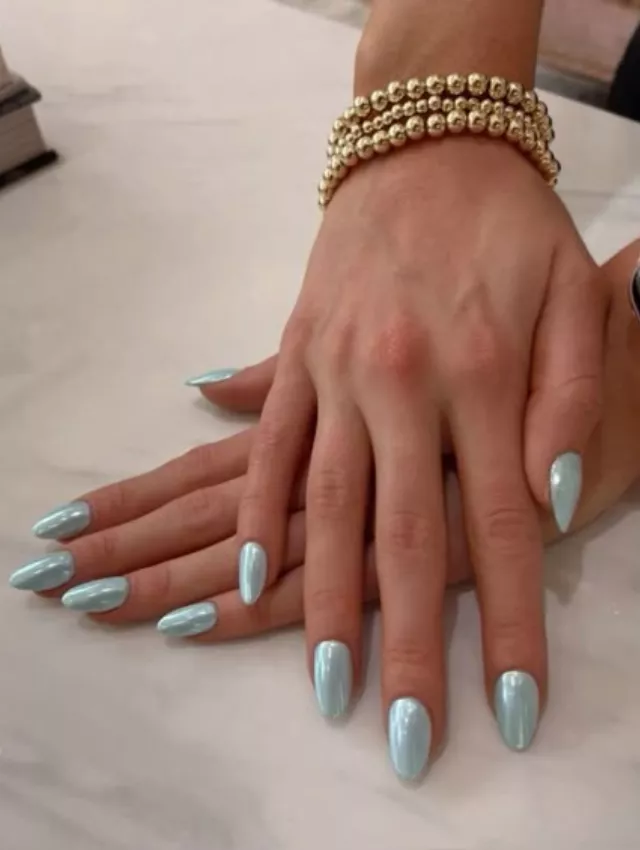
Master the Metallic Nails Trend: Effortless Styles for a Chic, Modern Look
Explore the shimmering world of metallic nails and…
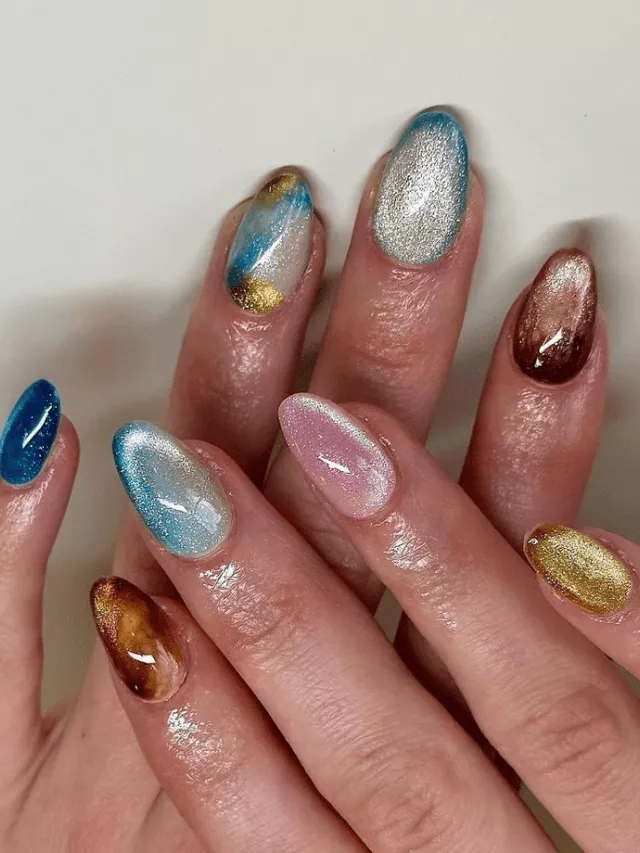
Cat Eye Nails: Dazzling Designs to Try
Cat eye nails are the ultimate trend in…
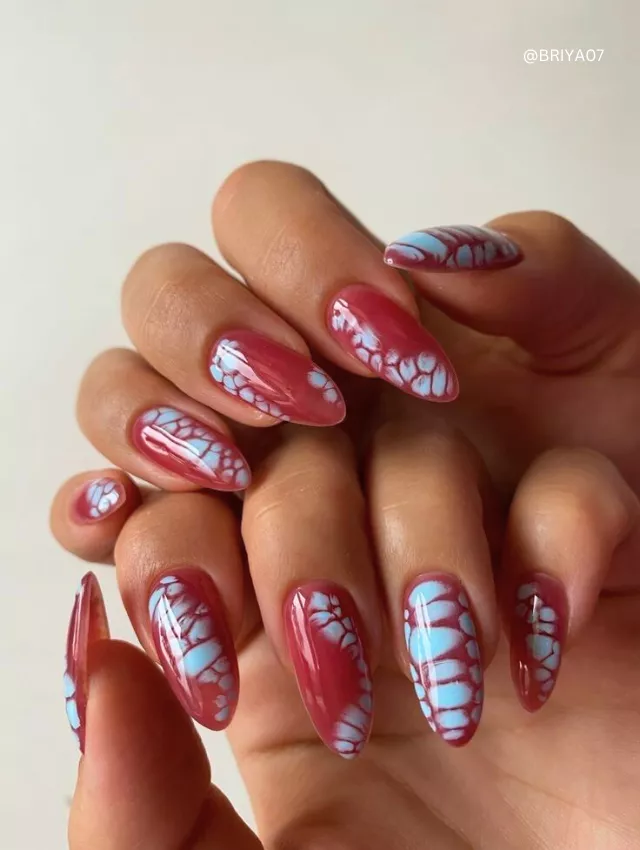
Blooming Gel Nails: The Dreamy Watercolor-Inspired Manicure You Need to Try
Blooming gel nails are a must-try trend for…
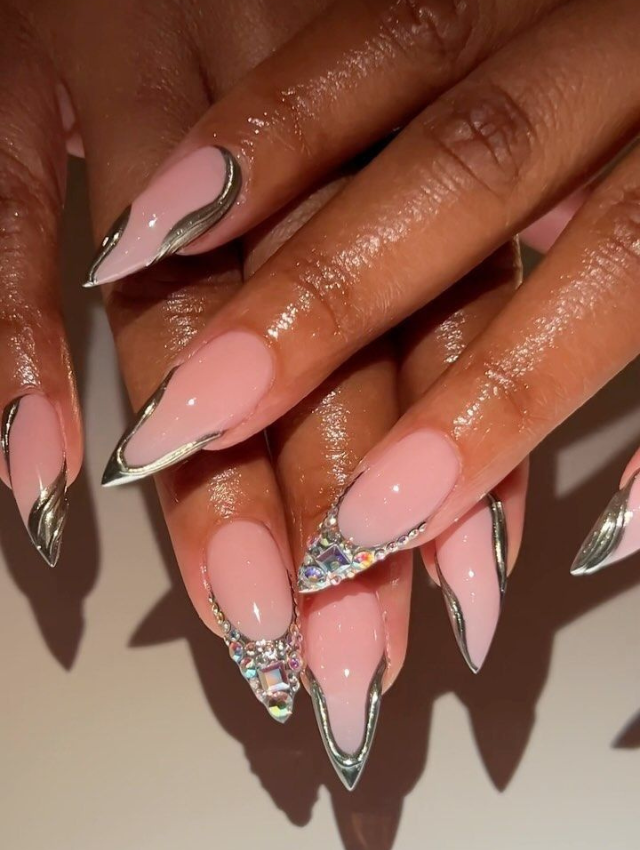
10 Stunning Stiletto Nails That Will Transform Your Look Instantly
If you’re looking to make a bold statement…

The Successible Life editorial team covers fashion, beauty, makeup, skincare and nail trends in English and Spanish. Articles published under this byline are written and edited by our in-house editors. Spotted an error or have a question? Get in touch through our contact page. / El equipo editorial de Successible Life escribe sobre moda, belleza, maquillaje, cuidado de la piel y uñas en inglés y español.