

 Reviewed by Kimberly Samantha, Skincare Reviewer
Exfoliation has been part of skincare routines around the world for centuries. Your skin naturally sheds dead surface cells and replaces them with new cells from below, but this process slows with age.
Key Takeaways
- Exfoliation removes dead skin cells to improve dullness, rough texture, and clogged pores.
- Chemical exfoliants (AHAs, BHAs, enzymes) are often gentler than harsh scrubs, especially for sensitive or acne-prone skin.
- For the face, once or twice a week is enough for most people; overdoing it causes irritation.
- Some exfoliants make skin more sun-sensitive, so wear broad-spectrum SPF 30+ daily.
- Claims that exfoliation “detoxes” skin aren’t supported; see a dermatologist for acne or dark spots that persist.
Sun exposure and other environmental stressors can also make skin look dull or uneven over time. Exfoliating, done gently and not too often, is one of the simplest ways to help with dullness and rough texture.
Read on to learn the main benefits of exfoliation and how to do it safely.
Benefits of Skin Renewal: Understanding Exfoliation
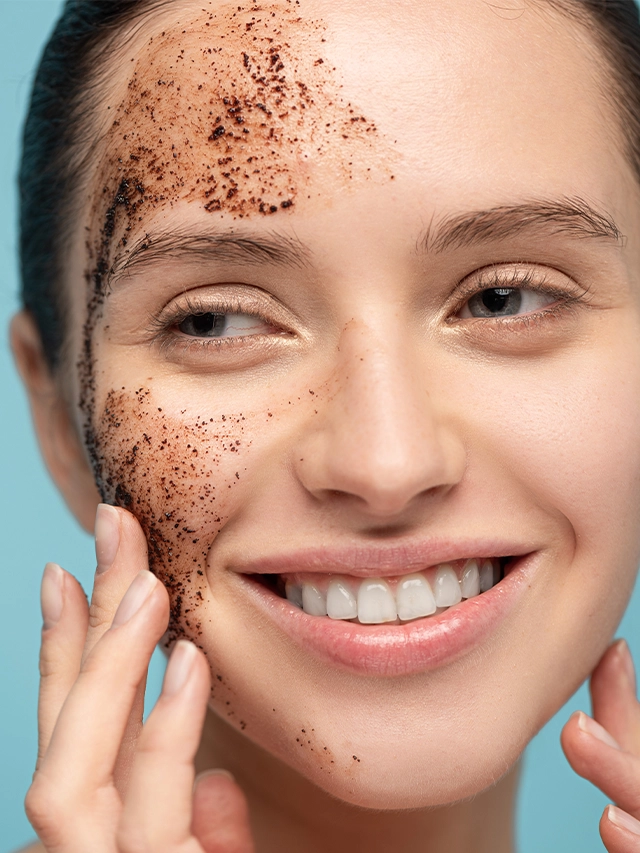
Exfoliation means removing the dead top layer of the skin to reveal fresher skin beneath. There are two main methods: physical and chemical exfoliation.
Physical exfoliation uses scrubs, brushes, or washcloths to rub away dead skin cells. It works, but scrubbing too hard can irritate the skin, especially if it’s dry, sensitive, or acne-prone.
Chemical exfoliation uses acids (like glycolic, lactic, or salicylic acid) or enzymes to loosen the bonds between dead skin cells so they shed more easily. Chemical exfoliants can also target specific concerns, such as clogged pores or uneven tone. Here are some of the benefits of exfoliation:
1. Increasing Product Absorption
Exfoliation removes surface flakes and dull, dead cells, which can make it easier for the products you apply afterward to spread evenly and absorb.
A smoother surface helps serums and moisturizers work more effectively. Just remember that freshly exfoliated skin can also be more sensitive to strong actives, so introduce new products slowly.
For example, some people pair exfoliation with an iso-placenta serum, a product marketed for its growth factors, nutrients, and proteins. Exfoliating first may help the serum spread and absorb more evenly.
Treat brand claims for placenta-derived skincare with caution, and see these products as an optional extra rather than a must-have. If you try exfoliation and iso-placenta serum together, patch test first and stop if your skin gets irritated.
2. Unclogging Pores and Preventing Acne
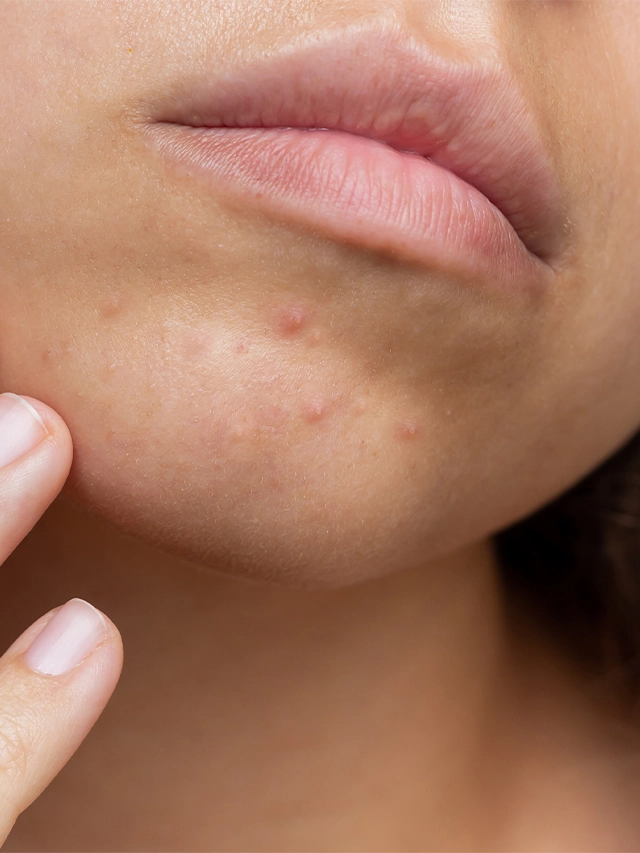
Exfoliation can also help unclog pores and help with preventing acne breakouts. Removing dead skin cells and excess oil from the skin’s surface can help prevent the clogged pores (comedones) that lead to blackheads and pimples.
When pores stay clear, sebum can reach the surface instead of building up inside them. Salicylic acid (a BHA) is a common choice for clogged pores. Whether you use a physical or chemical exfoliant, regular, gentle use can help remove the buildup that leads to breakouts, especially if you have oily skin. Keeping pores clear helps prevent blackheads and pimples. Avoid harsh scrubbing on active acne, since it can worsen inflammation, and see a board-certified dermatologist if breakouts persist.
3. Enhancing Skin Texture and Tone
Exfoliation removes dead skin cells from the skin’s top layer. When dull, dry surface cells are removed regularly, skin texture and tone can improve over time. By exfoliating gently, you reveal the newer, smoother skin underneath, which looks healthier and feels softer.
The fresh surface reflects light more evenly, so skin looks smoother, softer, and brighter.
4. Giving Skin a Fresh, Healthy Look
Some articles claim exfoliation boosts circulation or “detoxes” the skin, but those benefits aren’t well established, so it’s best not to count on them.
The bigger benefit is visible: removing dull surface cells helps your complexion look fresher and more even. Combined with moisturizer and daily sunscreen, regular gentle exfoliation can help reduce the look of tiredness and dullness.
5. Supporting Collagen Over Time
Exfoliation may help boost collagen production over time, but any effect is mostly linked to certain acids and professional treatments such as chemical peels. Everyday scrubs don’t meaningfully build collagen, and irritating your skin on purpose isn’t a good strategy.
Collagen keeps skin firm, and it naturally decreases with age, leading to sagging and wrinkles. Exfoliating acids and retinoids can support skin renewal, but daily sunscreen is the most important step to protect the collagen you have. For most people, exfoliating the face once or twice a week is enough; exfoliating every day can irritate the skin.
6. Managing Hyperpigmentation
Likewise, exfoliation can help reduce the appearance of hyperpigmentation over time. Speeding up cell turnover helps shed pigmented surface cells, and ingredients like glycolic and salicylic acid are among the topical options used for dark spots.
Exfoliation works best alongside daily broad-spectrum sunscreen (SPF 30 or higher), since sun exposure makes dark spots darker. It can also help other treatments for hyperpigmentation absorb better. Be gentle, though: over-exfoliating can cause irritation that leads to more dark spots, especially in darker skin tones. If spots don’t improve, see a board-certified dermatologist.
Improving Absorption of Skincare Products
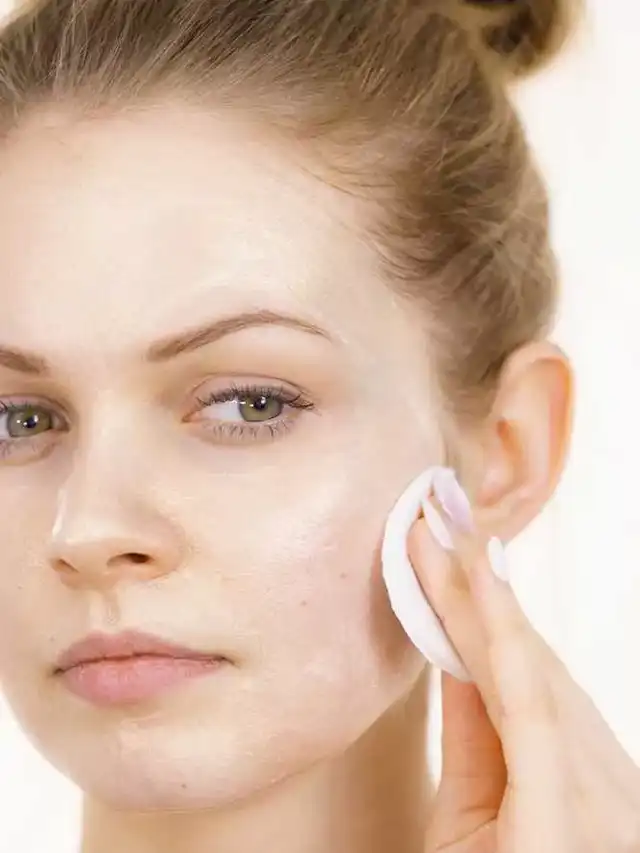
A buildup of dead skin cells can make it harder for serums, moisturizers, and treatments to absorb. Regular exfoliation helps remove this layer, so you get more from the rest of your routine.
Promoting a Brighter Complexion
Finally, exfoliation can lead to a brighter, more radiant complexion. Dead skin cells contribute to dullness and a tired look, and once they’re shed, the fresher skin underneath reflects light better. Exfoliation can also help even out skin tone and fade the look of dark spots over time.
Final Thoughts
Regular, gentle exfoliation has real benefits. By removing dead skin cells that dull your complexion and clog pores, it can improve texture, tone, and how well your other products work. Start slowly, choose a method that suits your skin type, moisturize afterward, and wear sunscreen every day, since some exfoliants make skin more sensitive to the sun.
Taking a few minutes for your skin can also be a relaxing act of self-care. If you’re not sure which exfoliant suits your skin, or if you have a skin condition like acne, rosacea, or eczema, a board-certified dermatologist can help you choose.
Sources
- American Academy of Dermatology – How to safely exfoliate at home
- Cleveland Clinic – How To Exfoliate Safely and Effectively
- U.S. FDA – Alpha Hydroxy Acids
- Cleveland Clinic – Hyperpigmentation: What it is, Causes, & Treatment

Kourtney Anderson is a freelance writer for Successible Life and one of its most prolific contributors, covering makeup looks and techniques, skincare routines and ingredients, hair care and beauty shopping guides.