

This post contains affiliate links. If you buy through them, we may earn a small commission at no extra cost to you. Learn more.
 Reviewed by Kimberly Samantha, Skincare Reviewer
Our skin is our largest organ. It acts as an insulating, waterproof barrier that protects our insides from damaging UV, extreme temperatures, bacteria, viruses and chemicals. Our skin also produces vitamin D and, with the help of our nervous system, gives us our sense of touch.
Key Takeaways
- No single food or juice will give you dewy skin, but a diet rich in fruits and vegetables supports skin health.
- Juicing removes most of the fiber, and fruit juices can be high in sugar, so whole fruits and vegetables are usually the better choice.
- Vitamin C, beta-carotene, omega-3s, zinc and selenium are among the nutrients linked to healthy skin.
- Evidence for collagen supplements is promising but limited.
- For ongoing skin concerns, see a board-certified dermatologist.
Just like our other organs, including our brain and heart, what we eat and drink affects the health of our skin. Our body breaks food down into the building blocks it uses to make new skin cells, and the skin is constantly shedding old cells and replacing them.
With the growing popularity of dewy skin, that radiant, glowing look so many of us want, some people believe juicing can help achieve it.
But does it really work? Can we get healthy supple dewy skin through juicing?
Let’s take a closer look at what the evidence says.
What Is Juicing?
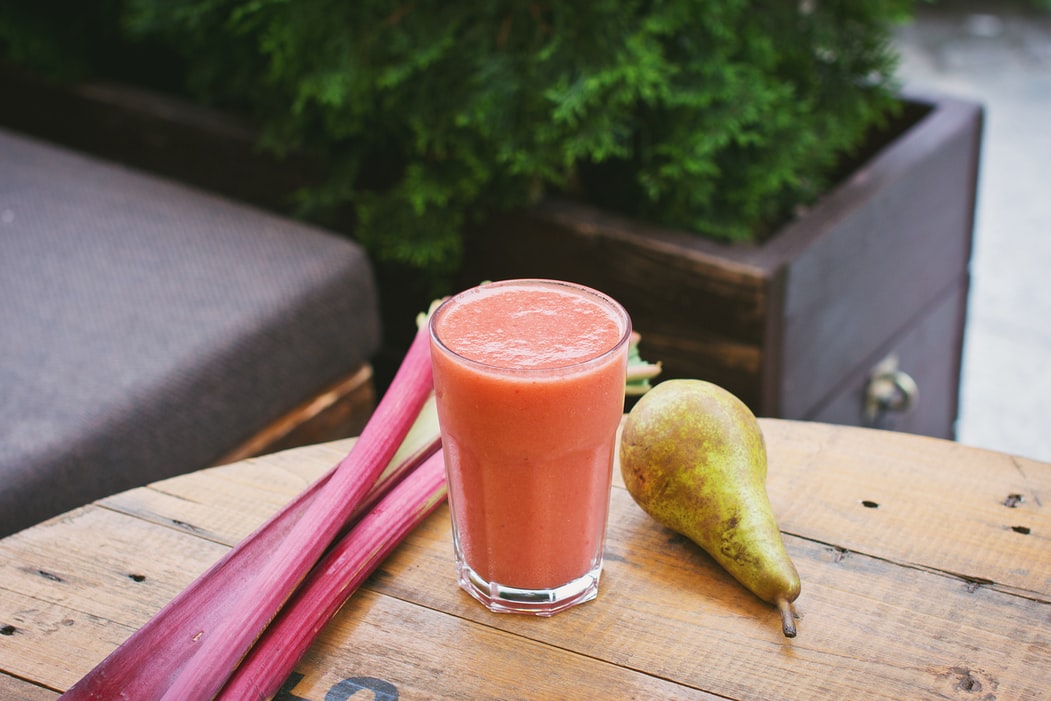
Juicing is a process that involves extracting juice from fresh fruits and vegetables. It works by stripping away much of the skin, pulp and seeds while leaving the liquid along with some vitamins and other nutrients from the fruit and vegetables.
Unfortunately, juicing also removes most of the fibre/fiber and some antioxidants and other nutrients that are found in the skin and pulp.
There are various juicing methods, from hand-juicing to centrifugal and cold-pressed, but I will assume motor-driven juicing (the most common kind) for this article.
What Is Dewy Skin?
“Dewy” skin looks radiant, luminous and glowing. It appears well-hydrated, almost like honey, and suggests health and youthfulness.
As I see it, dewy skin is the opposite of the matte skin look that was popular for so many decades. And I love it!
While we are not sure exactly how it gained such traction, I feel it has been inspired by trends, such as the beautiful Korean skin care routine and athleisure.
Can Juicing Help Achieve Dewy Skin?
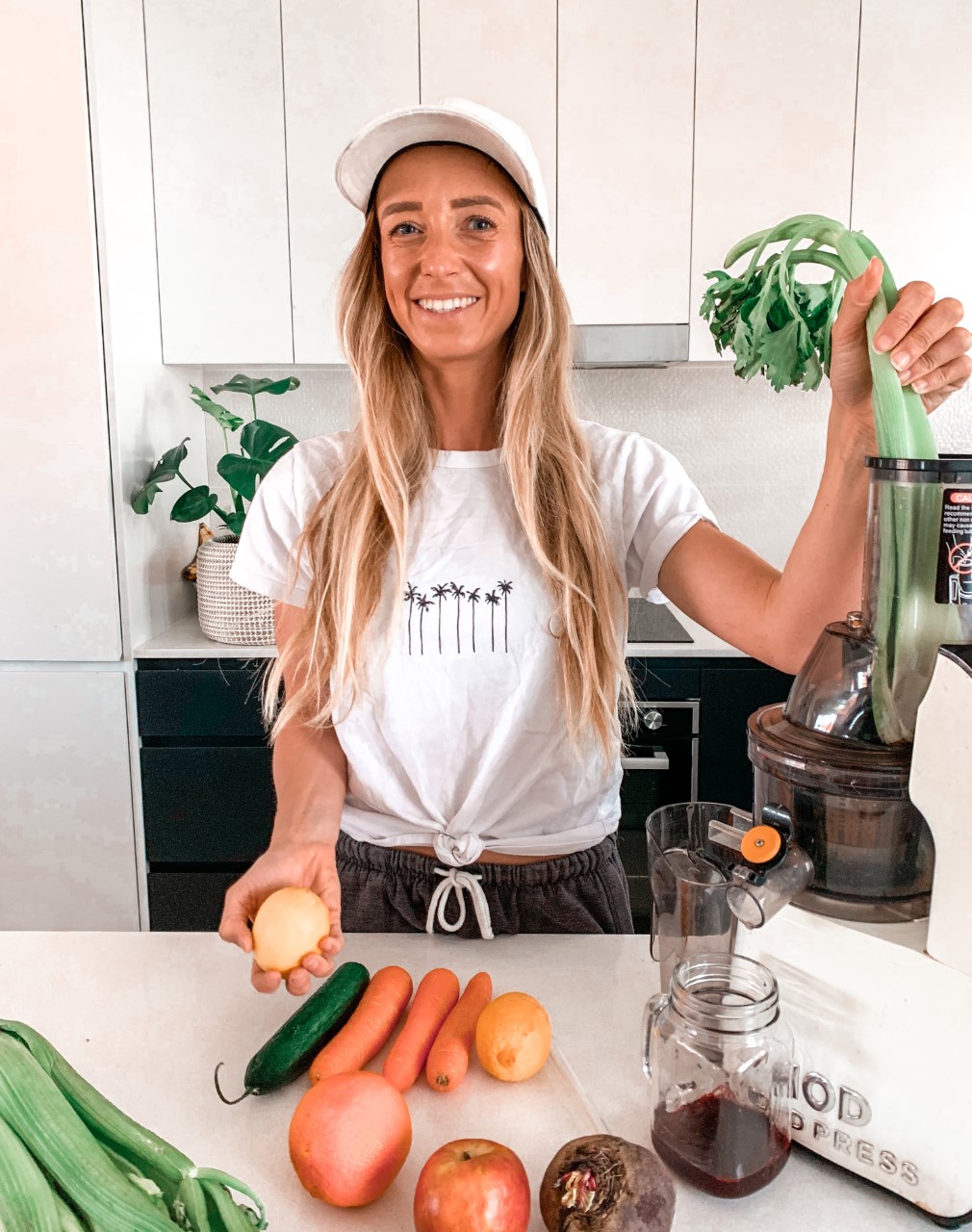
In a previous article, I helped dispel the myth that juicing detoxes our body. But today, I will investigate if juicing can help achieve dewy skin. Can we actually drink our way to glowing and radiant dewy skin?
We know that there are certain nutrients and compounds in food that are beneficial for skin health. These include but are not limited to:
- omega-3 fatty acids
- protein
- zinc
- vitamins A, B, C & E
- antioxidants, polyphenols, flavonoids, anthocyanins and tannins
- iron
- selenium
There is no one food or nutrient that will solve all your skin problems or give you the world’s dewiest skin. But modifying your diet to regularly include foods that contain the above nutrients can assist with reducing skin inflammation, dry flakey skin and premature aging, which in turn can help achieve that dewy skin look.
Fruits and Vegetables
The basis of all juices, fruits and vegetables, are nutritious and provide many of the above skin nutrients.
Oranges, lemons, limes, kiwi fruit and tomatoes are rich in vitamin C. Vitamin C acts as an antioxidant that helps neutralize free radicals, which can otherwise damage the fibres/fibers that support your skin structure, such as collagen and elastin. Your body also needs vitamin C to make collagen.
Including a daily serving of these vitamin C-rich foods supports healthy skin. You can juice them, but eating the fruit whole also gives you the fibre/fiber, and fruit juices can be high in sugar.
Green vegetables, such as rocket (also known as “arugula”), kale, spinach, cucumber, radicchio, bok choy, lettuce, broccoli, celery, watercress and wheatgrass, are also rich in the vitamins and minerals listed above for healthy skin.
The most nutritious way to eat your greens is in their fresh, less cooked state. Overcooking, like boiling, can destroy certain nutrients in green veggies, especially the water soluble vitamins B and C. Eating them raw or lightly cooked, as in a salad, stir-fry or juice, helps preserve those nutrients.
Brightly coloured/colored vegetables, such as carrots and beetroot, and berries can be easily juiced. Carrots are rich in beta-carotene, which your body converts into vitamin A, and beetroot and berries provide polyphenols, flavonoids and anthocyanins. These nutrients support skin health, which can contribute to a dewy look.
So looking at this list, it does appear that fruits and vegetables can benefit skin health and may help achieve dewy skin. Whether they are eaten or juiced matters less than whether you consume them regularly.
It is also important to note that while fruits and vegetables provide us with many of these glowing skin nutrients, they are not rich in other nutrients that are important for healthy skin, such as omega-3 fatty acids.
Omega-3s may support skin suppleness, moisture retention and hydration. They also have anti-inflammatory effects that may help reduce irritation and redness.
Add Some Extra Ingredients
For this reason, if you are juicing to achieve dewy skin, you may benefit from adding some extra ingredients to your juice, including:
- hemp seeds, flaxseed, chia seeds and walnuts – these are good sources of healthy fats and also contain protein.
- Pumpkin seeds – for vitamin E
- Brazil nuts – for selenium
Another addition to consider adding to your juices for dewy skin is collagen. Collagen is one of the most abundant proteins in our body. It is the main structural protein that forms our connective tissue (including our skin, bones, muscles, tendons and ligaments). Collagen gives skin its structure and firmness and works with elastin to help keep skin elastic.
As we age, our bodies gradually make less collagen, and what remains is of lower quality. Sun exposure, smoking and pollution can also speed up collagen breakdown.
Some studies suggest collagen supplements may help with joint pain in osteoarthritis. The evidence is still limited, but a few randomized trials suggest collagen peptides may improve skin elasticity, wrinkles and hydration. Keep in mind that supplements aren’t regulated like medications, so quality varies.
Foods to Avoid for Dewy Skin
Limiting certain foods can help keep your skin healthy and support a dewy look. These include:
- High GI, high refined sugar foods – e.g. white refined carbohydrates, cakes, biscuits and sweets
- Alcohol
- Trans fats – the FDA has removed artificial trans fats (partially hydrogenated oils) from most U.S. foods, but small amounts occur naturally in meat and dairy, and they may still be in some foods sold elsewhere
It is also important to remember that other factors, including stress, hormones, your environment, sleep patterns, the weather and your skin care, will also affect your skin health. These all matter when working toward dewy skin. If you have ongoing skin concerns such as acne, eczema or very dry skin, see a board-certified dermatologist rather than relying on diet alone.
Conclusion
Juicing a variety of coloured/colored fruits and vegetables with additions like nuts and seeds may support healthy, dewy skin. However, eating fruit and vegetables without juicing also provides the beneficial nutrients for that beautiful, glowing look.
In my professional opinion, I believe it is the fruit and vegetables, not the juicing process that is contributing to skin health. There are many factors involved in achieving healthy dewy skin, but food is a major part of it. Whether you eat your fruit and veggies (my recommendation for most of your intake) or juice them is up to you. The important part is to make them part of your everyday diet.
Sources
- NIH Office of Dietary Supplements – Vitamin C: Fact Sheet for Consumers
- NIH Office of Dietary Supplements – Vitamin A and Carotenoids: Fact Sheet for Consumers
- Cleveland Clinic – Collagen: What It Is, Types, Function & Benefits
- U.S. Food and Drug Administration – Final Determination Regarding Partially Hydrogenated Oils (Removing Trans Fat)
- NHS – 5 A Day: what counts?
- Is Accutane Worth It? My Personal Experience With Accutane
- Instagram Trends in the Beauty World That Are Worth Checking Out
- Affordable Skin Care Products Under $20: Staples For Your Moisturizing Routine

Rebecca Gawthorne is an Accredited Practising Dietitian and Accredited Nutritionist, and a member of the Dietitians Association of Australia. Through her brand Nourish Naturally, built around the philosophy "nourish, not restrict," she helps people fuel their bodies with plenty of plant foods while still enjoying their favorite foods in balance. She is the author of the e-books Nourishing Salads for Everyday Living and Meal Prep Salad Jars.