

 Reviewed by Kimberly Samantha, Skincare Reviewer
Sensitive skin can make even a basic routine feel unpredictable, and products that work for everyone else might not work for you. Once you know what your skin needs and what sets it off, it is much easier to keep it calm and comfortable.
Key Takeaways
- Fragrance is one of the most common triggers for sensitive skin, so fragrance-free products are usually the safer choice.
- Soothing, barrier-supporting ingredients include centella asiatica, squalane, niacinamide, ceramides, colloidal oatmeal, and hyaluronic acid.
- Avoid drying alcohols, harsh sulfates, essential oils, and over-exfoliating.
- Keep your routine simple, patch test new products, and use a mineral sunscreen with SPF 30 or higher during the day.
- Persistent redness, burning, or rashes can signal conditions like rosacea or eczema, so see a board-certified dermatologist.
- Key Takeaways
- How to Build the Best Skincare for Sensitive Skin Without Triggering a Flare-Up
- What Makes the Best Skincare for Sensitive Skin Actually Work
- Why the Best Skincare for Sensitive Skin Is About What You Leave Out
- How to Build Your Gentle Skincare Routine
- Keeping Your Skin Calm Starts With the Right Choices
- Sources
How to Build the Best Skincare for Sensitive Skin Without Triggering a Flare-Up
The Top Enemy of Sensitive Skin
For those with sensitive skin, the first step to finding relief is to figure out what’s really causing the issue. Flare-ups usually trace back to a handful of common triggers, and once you spot the patterns, things start to make more sense.
Fragrance is one of the biggest offenders for sensitive skin, even though it’s only there to make products smell nice. This includes intense fragrances but also subtle fragrant mixes in cleansers, moisturizers, and even products branded “gentle.” According to the American College of Allergy, Asthma, & Immunology, fragranced goods can trigger contact dermatitis and may cause redness, itching, or burning. That’s why fragrance-free is frequently the safer alternative if your skin is reactive.
Understanding Your Skin’s Unique Sensitivities
Sensitive skin tends to show a few telltale signs. If your skin reacts with stinging, burning, tightening, or redness after trying new products, that’s usually a sign of reactivity. You might also find that your skin is sensitive to things that would not bother others, such as weather changes or particular textiles. These patterns help you understand what your skin is telling you. Because sensitive skin can also be a symptom of conditions like rosacea, eczema, or contact dermatitis, see a board-certified dermatologist if your symptoms are severe or don’t improve with gentle care.
Part of managing sensitive skin is knowing your baseline — what your skin looks and feels like when it’s calm. With that reference point, it’s much easier to identify when anything is off and trace it back to a specific product or ingredient. If you’re not sure where to start, a simple at-home check can help.
Try washing your face with a light cleanser, leaving it totally bare, and waiting about 30 minutes to see how your skin acts without anything on it. This “bare-faced” method gives you a rough sense of your skin’s natural state. Before adding a new product to your routine, the American Academy of Dermatology suggests testing it on a small patch of skin, such as the inner elbow, twice a day for 7 to 10 days.
What Makes the Best Skincare for Sensitive Skin Actually Work
Ingredients That Soothe and Strengthen
When your skin is sensitive, the right ingredients can make a noticeable difference in how it looks and feels. Instead of triggering reactions, these ingredients work to calm irritation and support your skin’s natural barrier. Once you know what to look for, building a routine becomes less overwhelming.
Centella Asiatica: The Redness Reducer
Centella asiatica is one of the most popular ingredients for calming sensitive skin. Often called “cica,” it is valued for its soothing, redness-reducing, and wound-healing properties, and it is gentle on the barrier.
It is a good choice when your skin feels reactive or inflamed, and it may help support your skin barrier over time.
Squalane: The Weightless Hydrator
Squalane is a mild, rarely irritating ingredient that suits sensitive skin. It is similar to a component of your skin’s natural oils, so it hydrates without feeling heavy and is unlikely to clog pores. It also softens and smooths skin while maintaining its barrier function, keeping it hydrated and less reactive throughout the day.
Niacinamide: The Barrier Builder
Niacinamide is a mild, multitasking ingredient well-tolerated by many people with sensitive skin. It helps soothe redness, correct uneven skin tone, and protect the skin barrier, which is key to keeping irritation at bay. You’ll see it in many products for sensitive skin because it strengthens the skin over time without being harsh.
For sensitive skin, lower concentrations are often the best bet, since higher percentages can cause mild irritation in some people.
Ceramides: The Skin Barrier Supporter
Ceramides are key lipids that help build your skin’s natural barrier, which is especially crucial when your skin is sensitive. When this barrier is breached, moisture can escape more readily, and irritants can get in, causing dryness and reactions.
Incorporating ceramides into your routine helps replace what may be missing in your skin, making it more resilient and better protected. They’re a go-to for sensitive skincare since they help restore balance, lock in hydration, and reduce the risk of ongoing discomfort.
Colloidal Oatmeal: The Skin Soother
Colloidal oatmeal is a go-to ingredient for calming irritated, sensitive skin. It works by forming a protective layer on the skin’s surface, helping to lock in moisture while easing itching, redness, and dryness. This makes it especially useful during flare-ups or when your skin feels uncomfortable and reactive.
In sensitive skincare, colloidal oatmeal stands out for soothing while supporting the barrier, giving your skin a chance to recover without added stress.
Hyaluronic Acid: The Moisture Magnet
Hyaluronic acid is another component that is great for sensitive skin, especially for hydration. It helps pull moisture into the skin, leaving it feeling smooth and full, but not heavy or unpleasant. This type of lightweight hydration is essential, as it provides comfort for your skin without overloading it.
Just be sure to apply to somewhat damp skin and follow with a moisturizer to seal in hydration, which can help prevent dryness and support your barrier.
Why the Best Skincare for Sensitive Skin Is About What You Leave Out
Common Triggers to Avoid

Even with the correct calming ingredients, sensitive skin can still react to specific triggers in your regimen. The irritation stems from a few common substances that disrupt your skin barrier or deplete moisture. Knowing what to skip is as important as knowing what to use, since one harsh ingredient can undo your progress.
- Drying alcohols: These can strip your skin of its natural moisture, leaving it tight, dry, and more prone to irritation.
- Harsh sulfates: Often found in cleansers, these can be too aggressive and disrupt your skin barrier.
- Essential oils: While they sound skin-friendly, they can be too strong for sensitive skin and lead to reactions.
- Over-exfoliating acids: Using strong exfoliants too often can weaken your skin barrier and increase sensitivity over time.
How to Build Your Gentle Skincare Routine
When it comes to the best skincare for sensitive skin, simplicity is often key. Rather than piling on products, opt for a handful of essentials that nourish your skin without overwhelming it. A regular, moderate routine helps keep your skin balanced and, over time, reduces the risk of discomfort.
Start with a mild, fragrance-free cleanser. Look for cream, milky, or soft gel textures that remove dirt without stripping your skin. Then, moisturize with soothing elements to help build your skin barrier and seal in hydration. During the day, finish with a broad-spectrum sunscreen with SPF 30 or higher. Dermatologists often recommend mineral sunscreens with zinc oxide or titanium dioxide for sensitive skin.
If your skin needs extra care, add one simple step for deeper hydration. For example, some individuals discover that using a thin layer of an occlusive substance, such as petroleum jelly, often called slugging, helps seal in moisture and protect the skin barrier during sleep. It’s an easy way to give dry or reactive skin extra comfort, though it may be too heavy if you’re prone to acne.
Keeping Your Skin Calm Starts With the Right Choices
Taking care of sensitive skin can feel overwhelming, but it doesn’t have to be when you focus on what truly works for you. By choosing gentle ingredients, patch testing new products, and avoiding common triggers, you can build a routine that keeps your skin calm. If redness, burning, or rashes persist, a board-certified dermatologist can help find the cause. Over time, those small choices add up to skin that feels more balanced, comfortable, and easy to manage.
Sources
- Cleveland Clinic – Sensitive Skin: What It Is, Symptoms, Causes & Treatment
- American Academy of Dermatology – How to test skin care products
- American Academy of Dermatology – Sunscreen FAQs
- Cleveland Clinic – Emollients

Toxic Self Care Chemicals: What You Should Know
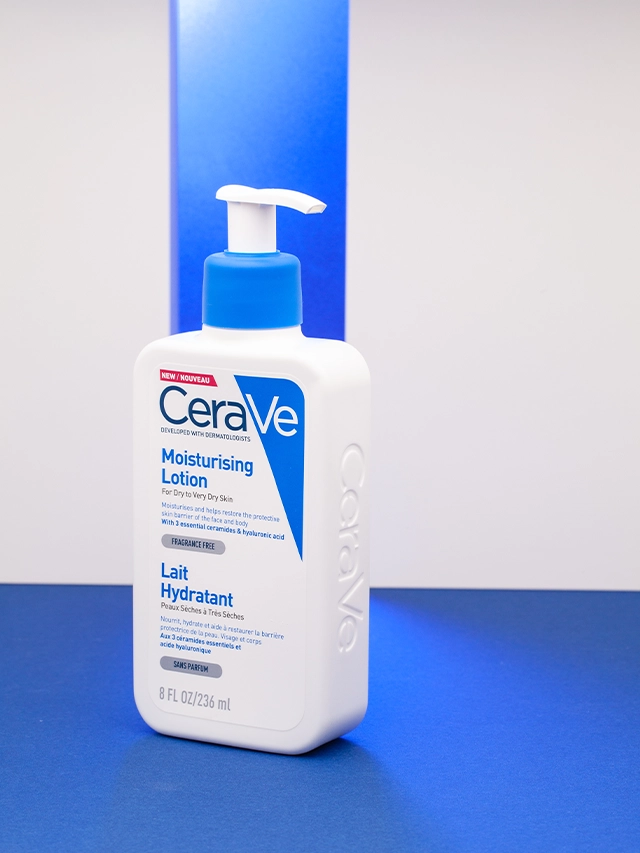
4-Step CeraVe Skincare Routine for a Morning Glow

How A Healthy Smile Impacts Overall Well-Being And Success

Achieving Youthful Skin in Your 40s: RF device – A Guide to an Effective Wrinkle-Fighting Skin Care Routine

The Successible Life editorial team covers fashion, beauty, makeup, skincare and nail trends in English and Spanish. Articles published under this byline are written and edited by our in-house editors. Spotted an error or have a question? Get in touch through our contact page. / El equipo editorial de Successible Life escribe sobre moda, belleza, maquillaje, cuidado de la piel y uñas en inglés y español.