

This post contains affiliate links. If you buy through them, we may earn a small commission at no extra cost to you. Learn more.
 Reviewed by Kimberly Samantha, Skincare Reviewer
Sponsored: This article was published in partnership with a brand or contributor. Links to partner sites are marked as sponsored. Read our editorial policy.
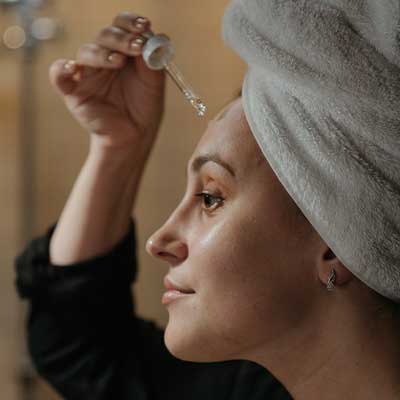
It’s never too early to adopt an anti-aging skincare routine. Collagen production gradually declines starting in early adulthood, and cell turnover rates also slow down in our twenties, which makes it harder to maintain a glowing, radiant complexion.
Key Takeaways
- Daily broad-spectrum sunscreen (SPF 30 or higher) is the most important anti-aging step.
- A simple morning routine: gentle cleanser, optional toner, antioxidant serum, lightweight moisturizer, and sunscreen.
- At night, cleanse well, hydrate, and use retinol, starting slowly to limit dryness and irritation.
- Avoid retinoids during pregnancy and see a board-certified dermatologist if you need stronger treatment.
- Lifestyle habits like sun-protective clothing, sunglasses, and good sleep also help.
The good news is that you can reduce the look of fine lines and wrinkles by following the right anti-aging skincare regimen. During the day, sunscreen and an antioxidant serum help limit sun damage and wrinkle-causing free radicals. At night, retinol speeds up cell renewal to brighten the skin and reduce the appearance of fine lines and age spots.
Retinol and tretinoin (retinoids) are among the most popular active ingredients in anti-aging skin care products. In-office procedures such as sofwave skin tightening can produce more noticeable tightening, but topical retinoids are among the best-studied options you can use at home.
Keep reading to learn how to build an effective anti-aging skincare routine that helps keep wrinkles at bay.
The Best Morning Skincare Routine to Prevent Aging
A five-step morning routine takes a few extra minutes, but it’s worth it to help prevent fine lines and wrinkles. Here are the products you should use to keep your face looking plump and radiant.
Step 1: Gently Cleanse
Even if your skin seems clean in the morning, you still need to wash it. Although you can’t see them, oil, sweat, and bacteria build up on your skin overnight and can clog pores, which may contribute to breakouts. It also gives you a clean canvas before you do your morning skincare routine and apply makeup.
Irritating your skin by using harsh cleansers can speed up aging. So skip cleansers with harsh surfactants (such as sodium lauryl sulfate) or added fragrance if your skin is sensitive, and choose a gentle formula instead. Don’t scrub your face too hard, which can accelerate the aging process. You should also avoid splashing your face with hot water because it can dry out and irritate your face. Instead, use lukewarm water and one of the cleansers below.
Recommendations
- Grown Alchemist Gentle Gel Facial Cleanser contains chamomile, bergamot, rose, and willow bark to naturally purify and cleanse the skin.

- Caudalie Vinoclean Gentle Cleansing Almond Milk cleanses the skin without stripping it thanks to nourishing almond oil, castor oil, and antioxidant-rich polyphenols.
- Glossier’s Milky Jelly Cleanser contains poloxamer, a gentle eye-safe cleansing agent, plus rosewater and comfrey root extract to soothe dry skin.
Step 2: Tone
Although you don’t have to use toner, it’s a great step to add to your anti-aging skincare routine. Toner removes dirt and oil that may be left behind after cleansing. Many toners also help minimize the look of pores and contain antioxidants, which can help protect your skin from free radical damage.
Recommendations
One of our favorite products is the Moisture Infusion Toner by Renée Rouleau. It contains phospholipids and niacinamide to increase skin hydration. It’s also formulated with vitamin C and black raspberry seed oil, which are both powerful antioxidants that can protect your skin from environmental damage.
If you have enlarged pores, Paula’s Choice Pore Reducing Toner (now sold as Skin Balancing Pore-Reducing Toner) can help. It contains niacinamide to minimize the look of enlarged pores and chamomile and burdock root to soothe skin and provide an antioxidant boost.
Step 3: Apply an Antioxidant Serum
In the morning, antioxidants give your skin extra support. Your face is exposed to UV light and pollutants throughout the day, which can damage skin and accelerate aging. Antioxidants help counter that damage and can keep your complexion from looking dull. They work alongside sunscreen, not instead of it.
Recommendations
One of the best ways to get an extra dose of antioxidants is to use a serum that contains them, like this one from Elemis. It has saffron flower and lotus flower milk, which are rich in anti-inflammatory flavonoids and polyphenols. This product is also formulated with Indian gooseberry to give you an extra shot of antioxidants.
Another solid option is the Sunday Riley Juno Antioxidant and Superfood Face Oil. This oil is chock full of antioxidant-rich plant oils including blackberry, blueberry, cranberry, and red raspberry. It’s even cruelty-free, fragrance-free, and paraben-free.
Step 4: Use a Lightweight Moisturizer
No anti-aging skincare routine is complete without moisturizer. During the day, it’s usually best to wear a lightweight moisturizer. That way your face won’t look shiny, and you can apply sunscreen and makeup over it without feeling weighed down. Here are some of the best lightweight moisturizers to add to your skincare regimen.
Recommendations
- Origins Antioxidant Moisturizer With White Tea contains an antioxidant-rich blend of white tea and cranberry to protect your skin from environmental damage. It also has edelweiss extract to help strengthen your skin barrier and lock in moisture.
- Kiehl’s Calendula Serum-Infused Water Cream is a lightweight moisturizer that contains calendula extract and powdered flower petals to reduce redness and improve skin tone and texture.
Step 5: Slather on Sunscreen
If you only include one step in your morning anti-aging skincare routine, make it sunscreen. Sun exposure is one of the main causes of premature skin aging, including fine lines, wrinkles, and age spots, so daily SPF matters even on cloudy days.
Recommendations
You don’t have to use anything fancy, either—facial sunscreen from the drugstore like Neutrogena Clear Face and Aveeno Protect + Hydrate will do the job. Just choose a broad-spectrum, water-resistant sunscreen with an SPF of 30 or higher, as the American Academy of Dermatology recommends, and reapply about every two hours when you’re outdoors.
Nighttime Anti-Aging Skincare Routine for All Skin Types
Your skin has different needs at night compared to during the day. For example, you don’t have to put on sunscreen before bed. But you should apply retinol before hitting the hay to fight wrinkles while you sleep. Retinol is an anti-aging powerhouse, but it breaks down in sunlight and can make skin more sun-sensitive, so it’s best to apply it after dark.
Read on to learn more about which anti-aging skincare products to use before bed if you want youthful, firm skin for years to come.
Step 1: Cleanse
Cleansing is even more crucial at night than in the morning. Your skin has been exposed to pollutants all day long, so it’s important to wash them away. Many dermatologists suggest double cleansing before bed, especially if you wear makeup or water-resistant sunscreen.
For our first nighttime cleanse, we like to use a cleansing oil or balm. They’re capable of removing stubborn waterproof makeup without stripping or irritating the skin. Here are some of our favorites below.
Recommendations
- Mario Badescu Cleansing Oil contains rice bran, jojoba, and evening primrose oils for extra hydration.
- Amorepacific Treatment Cleansing Oil contains green tea extract, an antioxidant that may help support collagen and elastin production.
- Omorovicza Thermal Cleansing Balm contains Hungarian Mud to draw out impurities and squalane, which hydrates the skin and may help soften the look of wrinkles.
Then we follow up our cleansing balm with our regular morning cleanser to get our face extra clean before moving on to the next step in our anti-aging skincare routine.
Step 2: Apply a Hydrating Serum
Our nighttime skincare routine includes retinol, which can be a little drying. That’s why we like to use a super hydrating serum filled with nourishing ingredients like hyaluronic acid, ceramides, and squalane.
Recommendations
One product that’s always in our rotation is Drunk Elephant’s B-Hydra Intensive Hydration Serum. It contains hyaluronic acid and pineapple ceramides to nourish and soothe your skin. We love Glossier Super Bounce too, which has vitamin B5 and glycerin to draw moisture into your skin.
Step 3: Use an Eye Cream
The skin under your eyes is thinner than the rest of your face, which can make it more prone to wrinkles. That’s why it’s a good idea to give your eyes some extra TLC and apply a hydrating eye cream every night.
Recommendations
We swear by Kiehl’s Creamy Eye Treatment (now sold as Avocado Eye Cream), which has avocado oil to hydrate and brighten the under-eye area. The Ordinary Caffeine Solution 5% + EGCG is another great option if you want to depuff your eyes and reduce the appearance of dark circles. If you have sensitive skin, try out La Roche-Posay Toleriane Ultra Eye Cream (now sold in the U.S. as Toleriane Dermallergo Eye Cream). It has niacinamide, thermal spring water, and shea butter to soothe tired, dry eyes.
Experts recommend that you moisturize your under-eye area before the rest of your face because eye creams tend to be thinner than night creams. As a general rule, apply your skincare products from thinnest to thickest so lighter formulas aren’t blocked by heavier ones.
Step 4: Apply a Thick Moisturizer
Even if you have oily skin, it’s essential to moisturize twice per day. Dehydrated skin can make fine lines look more noticeable, and a richer night cream helps rehydrate skin and temporarily plump them up. Moisturizers also help maintain your skin barrier, which keeps water in and irritants out. A damaged barrier can leave skin rough, dull, and easily irritated.
Although you’ll probably want to use a light moisturizer that pairs well with makeup during the day, experts recommend switching to a thicker cream at night. A richer cream with collagen-boosting ingredients like peptides will help nourish and restore your skin while you sleep. Here are a few night creams to consider adding to your anti-aging skincare routine.
Recommendations
- Tata Harper Water-Lock Moisturizer has peptides to increase collagen, plus pomegranate spheres and hyaluronic acid to boost skin hydration.
- LANEIGE Water Sleeping Mask has hyaluronic acid, evening primrose oil, and glycerin to soothe and moisturize your skin while you snooze.
- First Aid Beauty Ultra Repair Hydra-Firm Night Cream contains colloidal oatmeal and niacinamide to relieve dryness and even out your skin tone.
Step 5: Apply Retinol
Collagen is what makes your skin look plump and youthful. Unfortunately, collagen production gradually declines from early adulthood. Many dermatologists consider retinoids, including retinol, one of the best defenses against decreased collagen production and aging. It’s a form of vitamin A that can reduce fine lines and wrinkles, fade age spots, improve skin texture, and even out your skin tone. Retinol is a true workhorse, which is why it earns a spot in most anti-aging routines.
As we mentioned above, retinol should only be applied at night because it becomes less effective when exposed to sunlight. It can also dry out your skin, so you should take extra care to moisturize your skin properly. Avoid layering it with products that can further dry out your skin, such as astringent toners and chemical exfoliants that contain hydroxy acids.
Once your skin has adjusted, many people can use retinol nightly. You may want to dial back in winter if you’re prone to seasonal dryness. Retinoids should not be used during pregnancy, so talk to your doctor if you’re pregnant, trying to conceive, or breastfeeding. And if you want to exfoliate, don’t use your retinol serum on the same day to avoid skin irritation.
When you add retinol to your anti-aging skincare routine, start slowly to build up your skin’s tolerance. Use a pea-sized amount for your whole face once or twice per week at first, then gradually increase how often you use it.
Over-the-counter retinol is generally gentler than prescription retinoids like tretinoin, which makes it a good starting point. If you have persistent irritation or want something stronger, see a board-certified dermatologist. Shop some of our favorite products below.
Recommendations
- Sunday Riley Luna Retinol Sleeping Night Oil combines retinol with blue tansy and German chamomile to soothe skin and calm redness.
- Peter Thomas Roth Retinol Fusion PM Night Serum contains lab-created microencapsulated retinol, which may be less irritating than regular retinol and better for sensitive skin.
- Estée Lauder Perfectionist Pro Rapid Renewal Retinol Treatment combines retinol with hyaluronic acid, vitamin C, algae extract, and vitamin E to moisturize your skin.
If you have dry or sensitive skin, you may want to apply another layer of moisturizer over your retinol serum to reduce irritation. Just wait ten minutes to give the retinol a chance to sink in before you reapply your night cream.
Anti-Aging Lifestyle Tips
Skincare products aren’t the only part of an effective anti-aging regimen. If you’re serious about preventing wrinkles, you’ll also have to make some lifestyle changes to keep your skin healthy.
Get Your Beauty Sleep
Most adults need seven to nine hours of sleep per night, and good sleep supports healthier-looking skin. Your skin repairs itself while you sleep, healing the environmental damage it sustained from being exposed to the sun and elements during the day. The less sleep you get, the less time your skin has to restore itself. Over time, chronic sleep deprivation can take a toll on your skin’s appearance.
Your sleeping position is also important. Sleeping face down night after night can contribute to sleep lines over time. So try to sleep on your back if possible, or get a silk pillowcase. Because silk is so smooth, it reduces the friction between your face and your pillow, which may lower your chances of developing unwanted sleep wrinkles.
Wear Protective Clothing and Accessories
When it comes to premature skin aging, the sun is the biggest factor you can control. Exposing your skin to UV rays increases the production of unstable molecules called free radicals. In small amounts, free radicals can be beneficial because they help fight off infection-causing pathogens. But if your body accumulates too many free radicals, they can damage your DNA and cell membranes, a process known as oxidative stress.
Prolonged oxidative stress promotes the aging process, which is bad news for your skin. It can cause you to develop age-related skin problems like fine lines and wrinkles, dryness, and sagging before your time.
Limiting oxidative stress can help ward off premature signs of aging. Eating foods and using skincare products that contain antioxidants can help keep your free radical levels in check. But an ounce of prevention is usually worth a pound of cure, so you should try your best to avoid sun damage in the first place.
Wearing sunscreen is a great start, but we also suggest dressing in long sleeves and pants when you know you’ll be out in the sun for a few hours. Hats and sunglasses can also protect your skin from UV rays and keep you from squinting, since repeated squinting can contribute to crow’s feet.
Conclusion
Although there’s no cure for aging, these products and lifestyle changes can help slow visible signs of aging and keep your skin looking healthy for longer. Starting your anti-aging skincare routine in your twenties will also give you a leg up in the race against time. If you make minor changes now, like applying daily sunscreen and changing your sleeping position, you can prevent some of the main causes of aging, like sun damage and sleep wrinkles.

Prime Day Deals 2025: Best Beauty, Tech & Home Discounts
Get ready, because Prime Day deals are back…

Mullet Haircut for Girls
Easy hairstyles are trending more than ever, and…

Pixie Cut Hairstyle
Easy hairstyles like the pixie cut are taking…

30 Quick and Easy Hairstyles for Women
Quick and easy hairstyles for busy days help…
How do you start an anti-aging skincare routine?
Look for anti-aging products that are mild, fragrance-free, and professionally created in collaboration with specialists. A mild face cleanser should be the first step in the ideal anti-aging routine, which should then be followed by a non-comedogenic moisturizer and sunscreen (preferably a moisturizer with SPF 30 or greater).
What are the 3 most important skincare products?
Using a cleanser, moisturizer, and sunscreen is all that is necessary to take care of your skin.
What makes a woman look younger?
Retinoids such as retinol and alpha-hydroxy acids (AHAs) can help reduce the appearance of fine lines and wrinkles, and hyaluronic acid helps skin hold on to moisture for a smoother, more radiant look. Choose retinol and AHA-containing serums and night creams, as well as hyaluronic acid-containing daily face moisturizers.
Sources
- American Academy of Dermatology – 11 ways to reduce premature skin aging
- American Academy of Dermatology – Sunscreen FAQs
- American Academy of Dermatology – Retinoid or retinol?
- Mayo Clinic – Wrinkles: Diagnosis and treatment

Kourtney Anderson is a freelance writer for Successible Life and one of its most prolific contributors, covering makeup looks and techniques, skincare routines and ingredients, hair care and beauty shopping guides.